
The Scent Science Behind Medical Alert Dogs
Medical alert dog training begins with a foundational understanding of olfactory science. A dog's nose contains roughly 300 million olfactory receptors, compared to approximately six million in humans. That ratio translates directly into detection capability that no current electronic biosensor fully replicates.
Volatile organic compounds (VOCs) are the target odourants in medical alert work. When a human body undergoes a metabolic shift, hypoglycaemia, a pre-ictal neurological change, or an anaphylactic cascade, it releases a distinct VOC signature. The dog is trained to discriminate that specific odourant profile from the baseline scent of the handler's body. This discrimination, not a general "smell of illness," is the foundation of reliable alert behaviour.
As trainers, we need to think in terms of odourant concentration thresholds, sample integrity, and generalisation across individuals. A dog trained on one handler's hypoglycaemic sweat sample must also learn to alert to the same compound profile in novel environments, novel distractors, and across the natural variation in that handler's body chemistry over time.
Diabetes Alert Training: Odour Profiles and Sample Protocols
Hypoglycaemia produces isoprene and other VOCs that differ measurably from a euglycaemic baseline. Hyperglycaemia produces a separate odourant profile, though most programs prioritise low-blood-sugar detection given its acute safety risk. Trainers working within the Assistance Dog Institute of Canada framework collect biological samples, typically saliva, breath condensate, or sweat on gauze, captured at verified glucose readings provided by the handler's clinical team.
Sample integrity is non-negotiable. Samples must be frozen within 30 minutes of collection, stored at minus 20 degrees Celsius, and used within a defined protocol window. Contaminated or degraded samples introduce odourant noise that compromises discrimination training from the outset. This is where many community-trained programs fail.
Training progresses through a standard nose-work foundation into formal detection: tin work, vertical plane searches, and body-source discrimination. The dog must learn to alert specifically to the handler rather than to a stored sample in an isolation container. Body-source discrimination drills, where the handler is one of several individuals present, are introduced at intermediate stages and must be passed reliably before public access training begins.
For a structured overview of candidate selection and early scent foundation work, our trainers regularly reference the CADI candidate selection framework, which outlines temperament and drive requirements specific to detection disciplines.

Seizure Alert Dogs: What the Evidence Actually Shows
Seizure response dogs and seizure alert dogs are two distinct roles. Response dogs are trained to perform specific post-ictal behaviours. Activating an alarm, positioning for safety, retrieving medication. These are trained behaviours with clear, measurable outcomes. Alert dogs are trained, or in many documented cases, self-trained, to signal before a seizure occurs.
The scientific literature on pre-seizure detection is genuinely complex. There is credible peer-reviewed evidence that some dogs can detect pre-ictal changes, likely through VOC shifts or subtle behavioural micro-cues the handler exhibits in the prodromal phase. There is equal evidence that reliability is highly variable between dogs and between handlers. Trainers owe their clients honesty here.
Assistance Dogs International standards, which CADI aligns with for public access certification, do not currently mandate a standardised test for seizure alert reliability. That gap places the evidentiary burden on individual programs. Our position at the Assistance Dog Institute of Canada is that a dog should not be placed as a seizure alert dog unless it has demonstrated at minimum 80 percent alert accuracy across a documented observation period of no fewer than six months, with alerts logged independently by the handler and a secondary observer.
Training for dogs that demonstrate spontaneous alert behaviour focuses on capturing and formalising the natural response rather than shaping an arbitrary alert chain. If the dog circles before a seizure, you refine and reinforce the circle. You do not teach a nose-touch alert and assume it will transfer. Generalisation from trained alert to naturally occurring alert is a separate training problem that requires its own systematic approach.
Allergen Detection: Precision Thresholds and Proofing Environments
Allergen detection, primarily peanut and tree nut detection for anaphylaxis-risk individuals, requires a different scent training architecture than biomarker detection. The odourant is external and environmental rather than emanating from the handler's body. The dog must search surfaces, food items, enclosed spaces, and high-traffic areas for trace allergen contamination.
Peanut odourant training uses commercially available scent preparations or researcher-provided samples standardised for protein concentration. The critical variable is threshold sensitivity. A well-trained allergen detection dog should alert to peanut protein at concentrations well below the visual detection threshold. Proofing must include cross-contamination scenarios. Shared utensils, packaging that previously contained peanuts, surfaces wiped rather than washed.
Environmental complexity is the primary reliability challenge. Dogs trained in controlled indoor settings and then deployed in school cafeterias, airports, or grocery stores often show detection latency increases or false negatives. Proofing protocols must include high-odour-competition environments from early in the advanced training phase, not as a final-stage add-on.
False positives are also a serious concern in allergen detection. A dog that alerts to non-peanut legumes or to peanut-scented cleaning products creates dangerous uncertainty for a handler whose life depends on accurate detection. Discrimination training between peanut and a full panel of common environmental analogues should be documented and passed before certification consideration.
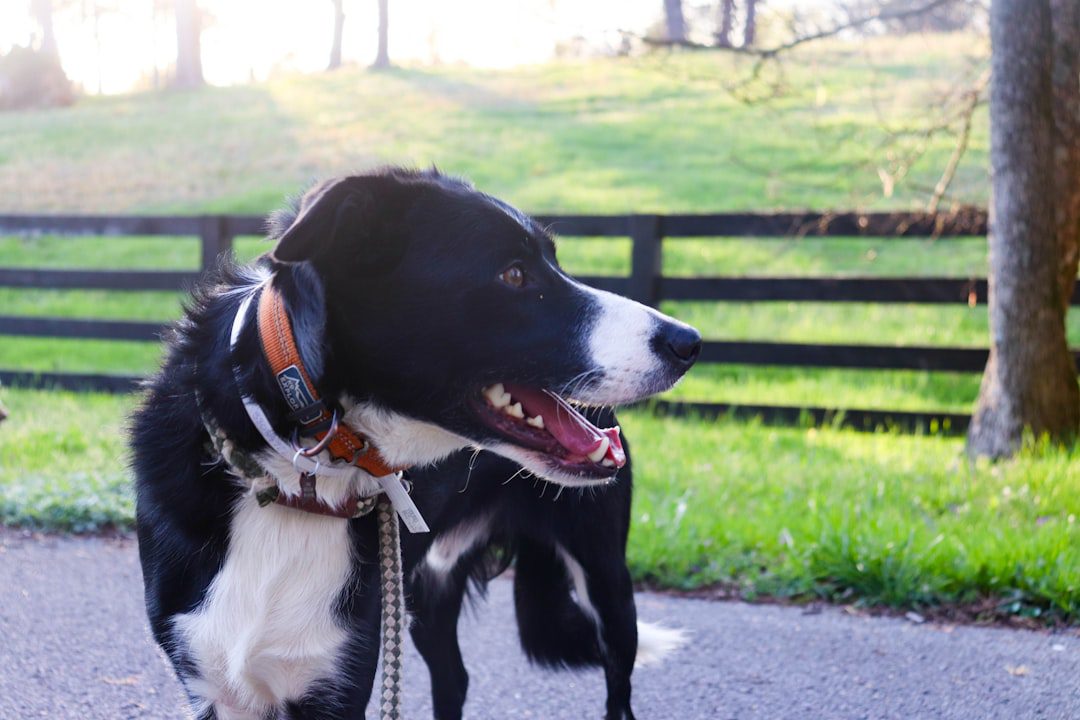
Alert Behaviour Selection and Chaining
Alert behaviour selection is one of the most consequential decisions in medical alert training. The alert must be salient enough to interrupt the handler regardless of activity level, unambiguous enough to distinguish from normal dog behaviour, and sustainable across the working life of the dog.
Common alert chains include a two-stage sequence: an initial interrupt behaviour (pawing, nudging, or bowing) followed by a sustained or escalating second stage if the handler does not respond within a set interval. The two-stage structure reduces false-alarm disruption while ensuring the alert is not missed. Single-stage alerts that terminate if ignored are inadequate for medical alert work.
The physical capability of the dog matters here. A handler who experiences cognitive symptoms during hypoglycaemia may not respond to a subtle nudge. The alert chain must be designed around the handler's symptom profile, not around trainer preference or what photographs well. This is a point we emphasise consistently in our advanced service dog training programs at CADI.
Proofing the alert behaviour across contexts is a distinct training phase from establishing the behaviour in the controlled training environment. An alert trained in a quiet room must transfer to a busy shopping centre, a crowded arena, and a vehicle interior. Each environment introduces competing stimuli that can suppress alert probability. Context generalisation is not automatic and must be trained explicitly.
Reliability Standards and CADI Evaluation Criteria
CADI evaluates medical alert dogs against a reliability threshold of no fewer than 80 percent correct detection across a standardised blind-trial series before program graduation. Blind trials use sample presentation methods that prevent trainer cuing, with an independent evaluator recording outcomes. This mirrors the double-blind testing methodologies used in formal detection dog research and aligns with the minimum benchmarks recommended by Assistance Dogs International.
Reliability data must be collected across a minimum of three months of formal detection training, separate from public access training hours. The two training streams run concurrently but are evaluated independently. A dog that meets public access standards but does not meet detection reliability thresholds is not certified as a medical alert dog regardless of other capabilities.
Annual recertification includes a detection reliability re-evaluation. Scent detection skills degrade without maintenance training, and handlers must be educated on the maintenance schedule required to sustain certification validity. Programs that certify once and do not schedule recertification create a false safety assurance for handlers and their medical teams.
Trainers seeking to understand how CADI evaluation criteria intersect with Canadian human rights protections and public access rights should review our public access standards documentation for current provincial guidance.
Backup Monitoring Requirements: Why Dogs Are Not Standalone Devices
No medical alert dog, regardless of training quality, should be the sole monitoring system for a life-threatening condition. This is not a qualification of the dog's capability. It is a fundamental safety architecture principle that every placing program must communicate clearly to handlers and their medical teams.
For diabetes alert dogs, continuous glucose monitors remain the primary clinical tool. The dog functions as an early-warning redundancy layer. Particularly valuable overnight or in situations where device alarms are not audible. That framing is both accurate and appropriate. Representing the dog as a replacement for clinical monitoring creates liability for the program and genuine risk for the handler.
For allergen detection dogs, epinephrine auto-injectors and avoidance protocols remain primary safety tools. The dog increases environmental safety margins but does not eliminate the possibility of undetected exposure. Handlers should be coached to maintain full avoidance behaviour regardless of a negative indication from their dog.
Seizure response and alert handlers should maintain their prescribed medication regimen and any additional safety measures prescribed by their neurologist. A seizure alert dog may extend a handler's activity independence, but that independence must be negotiated in consultation with the handler's clinical team, not assumed based on dog placement alone.
Training Support Through TheraPetic® Canada
The Assistance Dog Institute of Canada is a partner organisation for TheraPetic® Canada, a 501(c)(3) nonprofit healthcare provider group committed to expanding access to clinically appropriate support animal and service dog documentation for Canadians who need it. Our clinical team understands the intersection between medical need, animal-assisted support, and the documentation requirements that protect handlers across public access and housing contexts.
If you are working with a client who requires a clinical assessment to support their medical alert dog placement, or if your program needs guidance on documentation standards, contact the TheraPetic® team at go.mypsd.org or reach us directly at help@mypsd.org. Our Licensed Clinical Doctors are available to collaborate with training programs on a case-by-case basis.
Written By
Karen Robertson — Canadian Training Director
Assistance Dog Institute of Canada • Verified at
Editorial Review
This article was reviewed by Karen Robertson, MS on June 19, 2026 for accuracy, currency, and clarity. Content is updated when laws or guidance change.